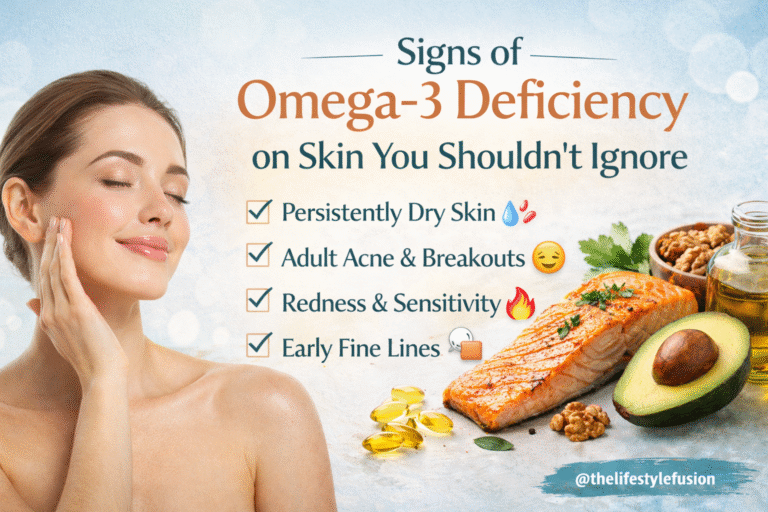
Your skin is more than just an outer layer—it’s a reflection of your internal health. If you are experiencing dryness, irritation, acne, or premature ageing despite investing in quality skincare products, the real issue may not be your routine at all. Instead, it could be a nutritional imbalance, specifically a lack of omega-3 fatty acids.
In recent years, dermatologists and nutrition experts have increasingly linked skin concerns to dietary deficiencies. Among them, omega-3 deficiency stands out as one of the most common yet overlooked contributors to chronic skin problems. Recognizing the signs of omega-3 deficiency on skin can help you address the root cause rather than endlessly treating symptoms.
This guide will walk you through the visible signs, why they occur, how modern diets contribute to deficiency, and how you can restore your skin’s health from within.
Why Omega-3 Is Essential for Skin Health

Omega-3 fatty acids are essential fats that your body cannot produce on its own. They must be obtained through diet or supplementation. The most important omega-3s for skin health are EPA (eicosapentaenoic acid) and DHA (docosahexaenoic acid).
These fats play a vital role in:
- Maintaining the skin’s lipid barrier
- Preventing excessive moisture loss
- Regulating inflammation
- Supporting collagen structure
- Promoting healthy skin cell turnover
When omega-3 intake is sufficient, skin appears smooth, hydrated, calm, and resilient. When levels drop, the skin barrier weakens, inflammation increases, and visible damage begins to appear. This is where the signs of omega-3 deficiency on skin become noticeable.
Interactive Skin Health Self-Assessment
Before reading further, take a moment to check any symptoms you experience regularly:
☐ My skin feels dry no matter how much moisturizer I use
☐ My skin becomes red or irritated easily
☐ I experience stinging or burning with skincare products
☐ I have adult acne or inflamed breakouts
☐ My skin looks dull or uneven
☐ Fine lines appeared earlier than expected
☐ My skin heals slowly after breakouts or cuts
☐ I rarely eat fish or omega-3-rich foods
👉 If you checked 3 or more, your skin may be showing early signs of omega-3 deficiency on skin.
1. Persistent Dryness and Flaky Skin
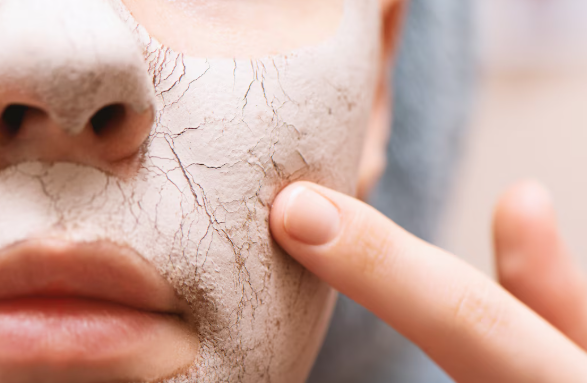
One of the most common and earliest signs of omega-3 deficiency on skin is chronic dryness. Omega-3 helps strengthen the skin’s lipid barrier, which locks moisture into the skin. Without it, water escapes easily, leaving the skin dehydrated.
You may notice:
- Flaky patches on cheeks, nose, or forehead
- Tightness after cleansing
- Dryness that worsens in winter
- Moisturizers that work only temporarily
This type of dryness is often mistaken for environmental damage or ageing, but it frequently signals a deeper nutritional issue.
2. Redness, Irritation, and Skin Sensitivity

Omega-3 fatty acids have powerful anti-inflammatory properties. When they are lacking, inflammation in the body increases—and the skin often shows it first.
Common sensitivity-related signs of omega-3 deficiency on skin include:
☐ Persistent redness
☐ Easily triggered irritation
☐ Burning or stinging sensations
☐ Reactions to products that once worked
If your skin feels “angry” or reactive for no obvious reason, omega-3 deficiency could be contributing to the problem.
3. Adult Acne and Inflammatory Breakouts

Acne is not always caused by excess oil. Inflammation plays a major role, especially in adult acne. One of the lesser-known signs of omega-3 deficiency on skin is recurring inflammatory breakouts.
You may experience:
- Painful or deep pimples
- Red, swollen blemishes
- Breakouts that heal slowly
- Acne combined with dry or sensitive skin
Omega-3 helps regulate inflammatory pathways and supports balanced oil production. Without it, the skin becomes more prone to clogged pores and prolonged breakouts.
4. Dull, Uneven, or Tired-Looking Skin

Healthy skin naturally reflects light and appears radiant. When omega-3 levels are low, cell renewal slows and circulation within the skin becomes less efficient.
Visible signs of omega-3 deficiency on skin at this stage include:
- Dull or greyish tone
- Uneven texture
- Rough patches
- Makeup not sitting smoothly
Exfoliation may provide temporary brightness, but the dullness often returns because the root cause has not been addressed.
5. Premature Fine Lines and Loss of Elasticity

Omega-3 supports collagen structure and protects skin from oxidative stress. Without adequate omega-3, the skin becomes more prone to dehydration-related ageing.
Ageing-related signs of omega-3 deficiency on skin may include:
☐ Fine lines appearing earlier than expected
☐ Sagging or loose skin
☐ Loss of firmness and bounce
☐ Skin feeling thinner or fragile
This type of ageing is often accelerated by inflammation and dehydration rather than chronological age.
6. Slow Healing and Weakened Skin Barrier

If blemishes, cuts, or irritation take longer than usual to heal, your skin barrier may be compromised. This is one of the more serious signs of omega-3 deficiency on skin.
Omega-3 fatty acids are essential for skin repair and regeneration. Without them:
- Acne marks linger longer
- Redness fades slowly
- Skin becomes more vulnerable to environmental damage
A weakened barrier also increases the risk of sensitivity and infection.
7. Increased Sensitivity to Weather and Pollution

Omega-3 deficiency can make your skin less resilient to external stressors. You may notice that cold weather, heat, wind, or pollution affect your skin more than before.
Common signs of omega-3 deficiency on skin related to environmental sensitivity include:
☐ Windburn-like irritation
☐ Flare-ups during seasonal changes
☐ Increased dryness in air-conditioned environments
Why Omega-3 Deficiency Is So Common Today

Modern Western diets are heavily skewed toward omega-6 fatty acids found in processed foods, fried items, and refined vegetable oils. While omega-6 is not inherently bad, too much of it—combined with low omega-3 intake—promotes inflammation.
You may be at higher risk if:
☐ You rarely eat fatty fish
☐ You rely on processed or fast foods
☐ You follow restrictive or low-fat diets
☐ You experience chronic stress
☐ You live in polluted urban environments
This imbalance directly contributes to the signs of omega-3 deficiency on skin seen in many adults today.
Best Omega-3 Sources for Skin Health

Reversing omega-3 deficiency starts with consistent intake. Skin-friendly omega-3 sources include:
✔ Fatty fish (salmon, sardines, mackerel)
✔ Chia seeds and flaxseeds
✔ Walnuts
✔ Algal oil (vegan-friendly)
Including these foods several times a week can gradually improve skin hydration, texture, and resilience.
Do Omega-3 Supplements Improve Skin?
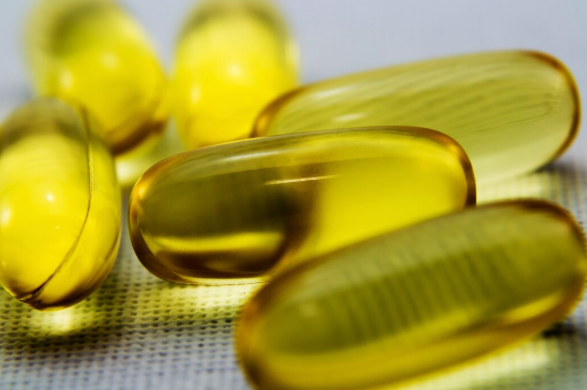
For many people, diet alone may not be enough to correct deficiency. High-quality omega-3 supplements can help support skin health, especially when signs are already visible.
Benefits often include:
- Reduced inflammation
- Improved skin hydration
- Stronger barrier function
- Faster healing
Most people notice improvements in the signs of omega-3 deficiency on skin within 6–12 weeks of consistent supplementation.
How to Support Omega-3 Benefits with Skincare
Omega-3 works internally, but pairing it with the right skincare routine enhances results.
✔ Use gentle, non-stripping cleansers
✔ Avoid over-exfoliation
✔ Choose moisturizers with ceramides
✔ Apply sunscreen daily
This combination helps repair the skin barrier faster and maintains results long-term.
Quick Checklist: Are You Supporting Skin from Within?

☐ I eat omega-3-rich foods regularly
☐ I stay well hydrated
☐ I avoid harsh skincare products
☐ I protect my skin from sun damage
☐ I manage stress levels
If you checked fewer than 3, your skin may struggle to recover fully—even with good products.
Final Thoughts: Healthy Skin Starts from Within
Your skin is not only affected by what you apply topically; it reflects your internal nutritional health. Persistent dryness that doesn’t improve with moisturizers is one of the most common signs of omega-3 deficiency on skin. Adult acne, recurring breakouts, redness, and irritation are also frequent indicators, showing a weakened skin barrier.
Over time, dullness, uneven texture, premature fine lines, and loss of elasticity can appear. Recognizing these signs of omega-3 deficiency on skin early allows you to treat the root cause instead of masking symptoms. Improving omega-3 intake through diet helps restore hydration and reduce inflammation. Supplements can further support skin repair when food sources are insufficient.
Within 30 days of consistent omega-3 intake, skin often feels softer, more hydrated, calmer, and visibly more elastic. Acne and redness may decrease, while glow and barrier strength improve. In many cases, the most effective skincare solution begins by nourishing your body from within.