Across the Globe, more people are shifting toward structured eating patterns instead of restrictive diets. One method leading this shift is the intermittent fasting schedule — a timing-based strategy that focuses on when you eat rather than what you eliminate.
Unlike traditional dieting models that demand calorie counting or food group restrictions, an intermittent fasting schedule creates designated eating and fasting windows. This simple adjustment can influence metabolism, insulin levels, fat burning, and overall healthcare outcomes.
If you are looking for a sustainable approach to weight loss that aligns with modern lifestyles, understanding how an intermittent fasting schedule works is the first step.
What Is an Intermittent Fasting Schedule?

An intermittent fasting schedule is a structured eating pattern that alternates between fasting and eating periods. During fasting hours, insulin levels drop, allowing the body to switch from storing energy to burning stored fat.
This metabolic switch is the key reason why many individuals experience steady weight loss while following a consistent intermittent fasting schedule.
Instead of grazing throughout the day, you create defined time brackets. These time brackets help regulate hunger hormones, stabilize blood sugar, and improve metabolic flexibility.
Most Popular Intermittent Fasting Schedule Time Brackets
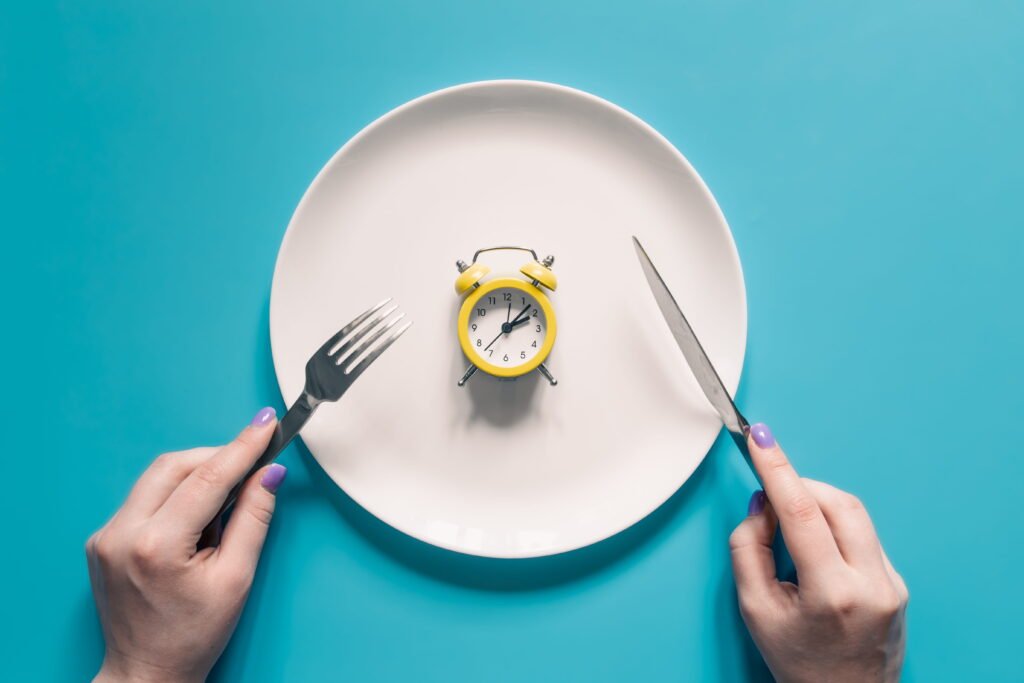
Choosing the right intermittent fasting schedule depends on your lifestyle, work routine, and health status.
1. 16/8 Method (Most Popular)
Fast for 16 hours and eat within 8 hours.
Example:
- Eating window: 12 PM – 8 PM
- Fasting window: 8 PM – 12 PM (next day)
This intermittent fasting schedule is widely adopted because it fits naturally into daily routines.
2. 14/10 Method (Beginner Friendly)
Fast for 14 hours and eat within 10 hours.
This is a gentler version of an intermittent fasting schedule, suitable for beginners adjusting to fasting.
3. 5:2 Method
Eat normally five days a week and restrict calories on two non-consecutive days.
This weekly variation offers flexibility while still supporting weight loss and healthcare benefits.
4. Alternate-Day Fasting
Fast every other day or significantly reduce calories.
This advanced intermittent fasting schedule is usually recommended for experienced individuals.
How an Intermittent Fasting Schedule Supports Weight Loss

Many people adopt an intermittent fasting schedule specifically for fat loss. Here’s how it works physiologically:
Reduced Insulin Levels
Lower insulin allows the body to burn stored fat more efficiently.
Natural Calorie Reduction
Shorter eating windows often reduce overall calorie intake without conscious restriction.
Improved Appetite Control
Hormonal balance helps regulate hunger and reduce emotional eating.
Enhanced Metabolic Health
Research links a structured intermittent fasting schedule to improved insulin sensitivity and reduced inflammation — two major healthcare markers.
Sample 7-Day Intermittent Fasting Diet Plan (16/8 Example)

Following a structured 7-Day meal pattern enhances the effectiveness of your intermittent fasting schedule.
Daily Structure:
12 PM – First Meal (Break-Fast)
- Lean protein (eggs, Greek yogurt, salmon, tofu)
- Fiber-rich carbs (oats, quinoa, berries)
- Healthy fats (nuts, avocado, olive oil)
3–4 PM – Light Snack
- Fruit with nut butter
- Boiled eggs
- Cottage cheese
7 PM – Dinner
- Grilled chicken or plant protein
- Vegetables (broccoli, spinach, zucchini)
- Brown rice or sweet potato
Hydration during fasting:
- Water
- Herbal tea
- Black coffee (no sugar)
A balanced approach ensures your intermittent fasting schedule supports fat loss without nutrient deficiencies.
Healthcare Benefits Beyond Weight Loss

While weight reduction is a major goal, a consistent intermittent fasting schedule may also support:
- Improved blood sugar regulation
- Better cardiovascular markers
- Reduced oxidative stress
- Enhanced cognitive clarity
- Improved gut health balance
These benefits make intermittent fasting more than just a diet — it becomes a metabolic management strategy.
Common Mistakes to Avoid

Even with a structured intermittent fasting schedule, progress can stall if:
- You overeat processed foods during eating windows
- Protein intake is too low
- Sleep is insufficient
- Stress levels remain unmanaged
- You jump into extreme fasting too quickly
Sustainability and balance are key.
Final Thoughts — Is It Right for You?
Before you finish, click the video above to learn more and get deeper insights into the topic.
Yes, adopting an intermittent fasting schedule is ultimately a personal decision that depends on your lifestyle, health condition, and long-term goals. While research supports its effectiveness for weight loss and metabolic improvement, success comes from consistency rather than intensity. If you prefer structured routines, want better appetite control, and are looking for a flexible alternative to restrictive dieting, this approach may align well with your needs. However, it requires mindful food choices, proper hydration, and attention to sleep and stress management.
Before starting any intermittent fasting schedule, evaluate your current health status and consider professional guidance if you have underlying medical conditions. A sustainable plan should feel manageable — not extreme. When tailored properly, intermittent fasting can become a long-term lifestyle pattern rather than a short-term diet experiment, supporting both weight management and overall healthcare outcomes.
Frequently Asked Questions (FAQs)

1. What is the best intermittent fasting schedule for beginners?
The 16/8 method is generally the easiest and most sustainable starting point.
2. How quickly can I lose weight?
Most individuals see noticeable changes within 3–4 weeks when following a consistent intermittent fasting schedule.
3. Can I drink coffee during fasting?
Yes, black coffee, herbal tea, and water are allowed as long as they contain no calories.
4. Is intermittent fasting safe long term?
For healthy adults, it is generally safe. Individuals with medical conditions should consult a healthcare provider.
5. What foods should I prioritize?
Lean proteins, whole grains, healthy fats, and fiber-rich vegetables.
6. Can I exercise while fasting?
Yes. Light cardio and strength training can complement an intermittent fasting schedule effectively.
7. What if I break my fasting window?
Occasional breaks will not significantly impact progress. Long-term consistency matters more.